
Hazelnuts, the edible seeds of Corylus avellana, are a highly valued crop, prized for their flavour, versatility, and nutritional benefits. These nuts are integral to many cuisines and are grown worldwide in specific climates.
Hazelnut trees also contribute to sustainable farming as hosts for truffles. This article examines their cultivation, pollination, culinary uses, and roasting methods.
Hazelnut Trees and Their Benefits
Hazelnut trees (Corylus avellana) are important in agriculture and food production. In addition to yielding nuts, they form symbiotic relationships with Tuber Melanosporum black winter truffles. These truffles grow underground, attaching to tree roots.
The fungi improve the tree’s nutrient and water absorption, while the tree provides essential carbohydrates for fungal growth. This mutual relationship supports soil health and farming efficiency.
Ideal Growing Conditions
Hazelnut trees thrive in temperate climates with mild winters and moderate summers. Major producers include Turkey, Italy, the United States (particularly Oregon), and Azerbaijan. In Australia, regions like New South Wales, Victoria, Tasmania, and areas near Canberra are suitable because they provide the necessary 800-1,200 chill hours for consistent production.
Optimal growth requires well-drained, loamy soil with a pH between 6.0 and 7.5. Farmers manage irrigation during dry periods and protect trees from strong winds. Regular pruning ensures better air circulation and reduces disease risks.
Hazelnut Pollination and Growth
Hazelnut trees are monoecious, bearing male and female flowers. However, they are self-incompatible, requiring cross-pollination to produce nuts. Planting multiple compatible varieties supports this process.
Male catkins release pollen in late winter, carried by wind to small red female flowers. Nuts develop through spring and summer, maturing by March when they drop to the ground for harvesting.
Orchard management helps maximise pollination. While wind is the main pollinator, encouraging biodiversity in orchards strengthens tree health and promotes natural balance.
Protecting the Crop
In Australia, cockatoos pose a significant threat to hazelnuts due to their fondness for the nuts. Farmers use netting, scare devices, and other measures to safeguard their crops. Additionally, monitoring for pests such as weevils and employing integrated pest management strategies ensure healthy orchards.
Fungal diseases, including Eastern Filbert Blight, can also affect production. Early detection, regular inspections, and timely treatments are essential for minimising losses and maintaining strong yields.
Fresh and Local Hazelnuts
Freshly harvested hazelnuts are valued for their superior taste and texture but are not widely available in Australian stores. Harolds Cross Truffles provides locally grown hazelnuts, giving consumers access to high-quality, fresh nuts ideal for cooking, baking, or snacking.
Nutritional Value
Hazelnuts are a nutrient-rich food, containing healthy fats, protein, and dietary fibre. They provide essential vitamins such as E and B and minerals like magnesium, copper, and manganese. Regular consumption supports heart health, energy levels, and overall well-being.
Culinary Applications
Hazelnuts are widely used in both sweet and savoury dishes. Fresh nuts are often roasted and enjoyed as snacks, while dried nuts are essential for desserts and baked goods. Their creamy texture and distinct taste enhance cakes, pastries, and chocolates. Hazelnut pralines, nut pastes, and fillings rely on their rich flavour.
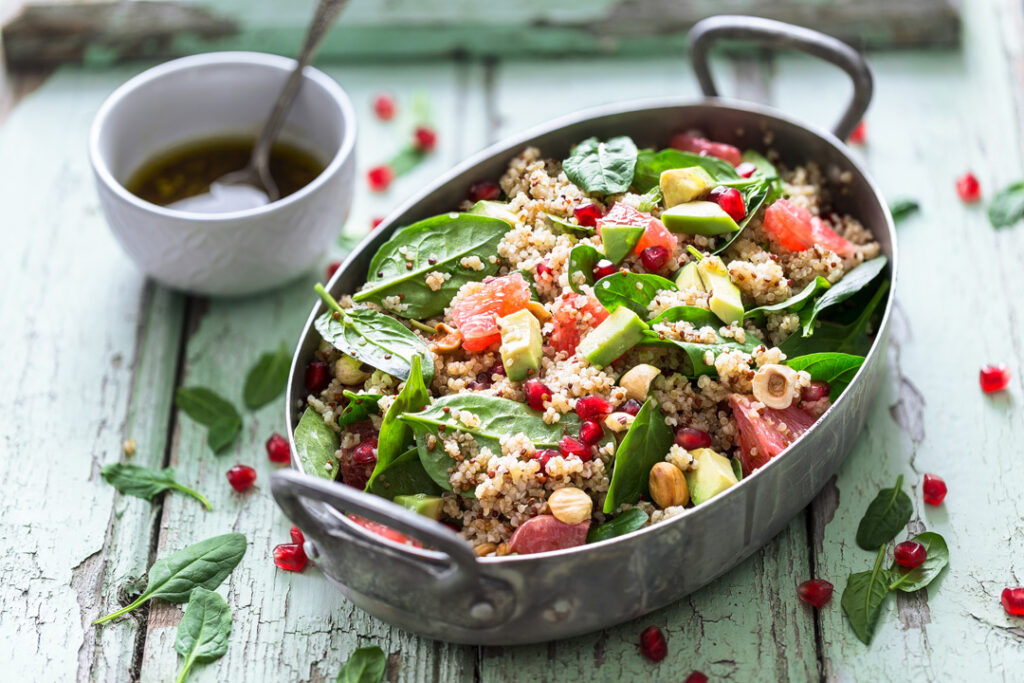
In savoury recipes, hazelnuts can be added to salads, pestos, or used as a crust for meat or fish. Toasted nuts add depth and crunch to various dishes, making them a favourite ingredient in kitchens worldwide.
Roasting Hazelnuts
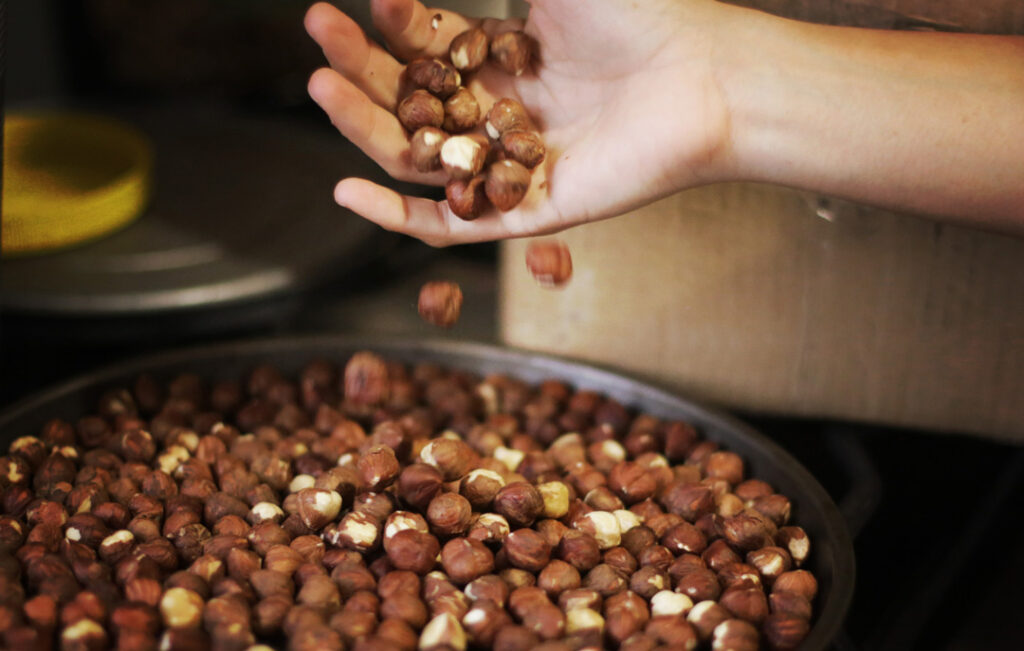
Roasting hazelnuts improves their flavour and aroma. Here is a guide for preparing roasted hazelnuts.
In the Oven
- Preheat to 135°C (275°F).
- Spread nuts in a single layer on a baking sheet.
- Roast for 20-25 minutes, stirring occasionally.
- Check for doneness by cracking a nut; the meat should be golden brown.
- Cool on a pan or bowl to stop cooking.
In a Pan
- Heat a heavy saucepan over medium heat.
- Add nuts in a single layer.
- Stir frequently for 5-10 minutes until golden and fragrant.
- Remove from heat immediately to prevent over-roasting.
Open Fire
- Place shelled nuts in a fire-safe pan.
- Set on hot coals, stirring frequently for 2-3 minutes until golden and aromatic.
Roasted hazelnuts bring a robust, earthy taste to snacks and recipes alike.
Open Fire
Hazelnut farming can align with environmentally friendly practices. The relationship between hazelnut trees and truffles minimises chemical usage and enriches soil naturally. Efficient water management and reduced pesticide use further support sustainability.
Hazelnut orchards also create habitats for wildlife, promoting biodiversity. Supporting local farms like Harold’s Cross Truffles ensures eco-conscious farming methods and preserves valuable agricultural traditions.